
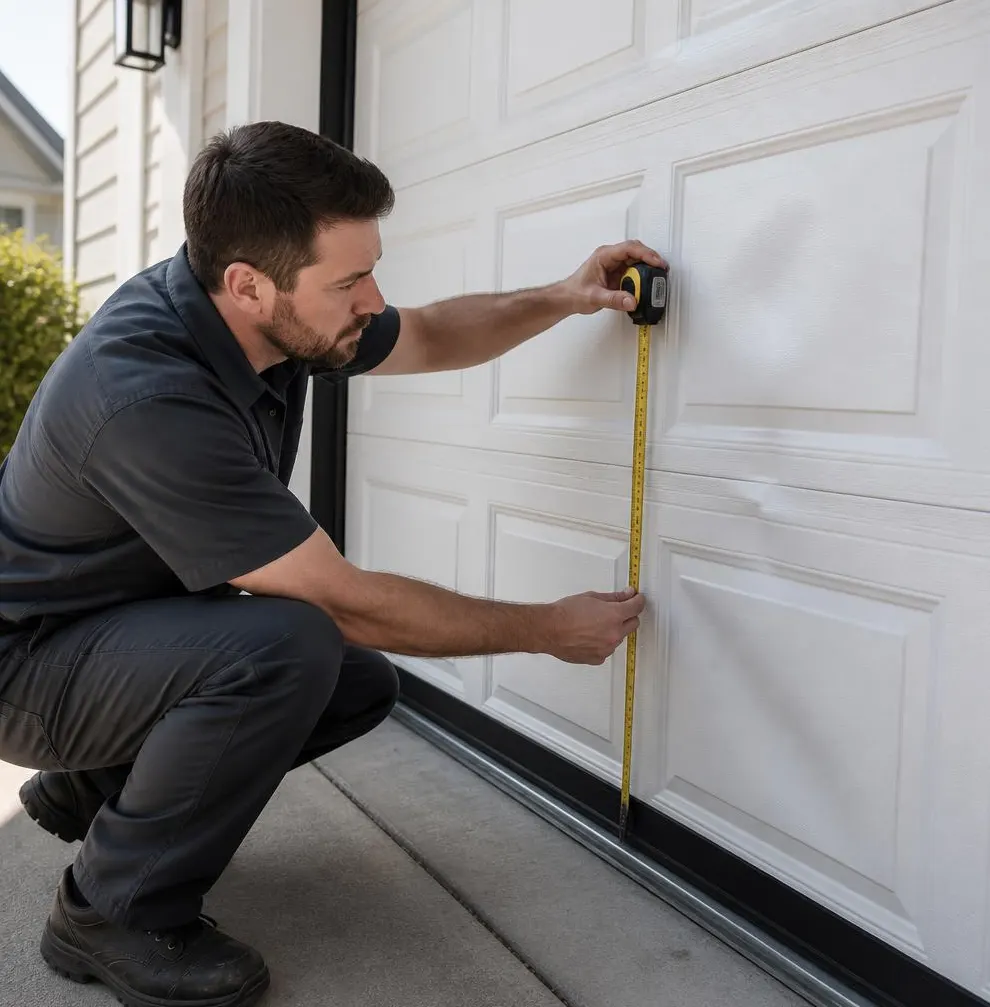
Short answer: yes, it's the humidity — and no, it's not something you can just ignore
If you two have been going back and forth about whether that sticky, swollen, or rust-spotted garage door is just "getting old" or an actual moisture problem, here's the deal: in a climate like ours, moisture damage shows up a lot earlier than people expect, and it rarely fixes itself. The good news is that most of it is predictable, explainable, and preventable once you know what's actually happening to the door.
Why humidity does this to a garage door
Garage doors live outside, more or less. They're exposed to swings in temperature and moisture all day, every day, and in the Auburn-Opelika area that means thick summer humidity, sudden afternoon downpours, and the occasional hurricane-season storm pushing wind-driven rain straight at the door. None of that is subtle. Materials expand when they absorb moisture and contract when they dry out, and that constant cycle is what causes the symptoms you're probably arguing about.
Wood and wood-composite doors
If your door has real wood panels or wood trim, swelling is the first sign of moisture intrusion. Look for:
- A door that drags or binds at the bottom corners, especially after a rainy stretch
- Panels that look slightly bowed or no longer sit flush
- Paint or stain bubbling, cracking, or peeling near the bottom few inches
- A musty smell near the door when the garage has been closed up
Wood swells, dries, and swells again. Each cycle loosens fasteners and opens tiny gaps where more water gets in next time. That's why a door that was fine last fall can suddenly feel "stuck" this year — it's not new damage, it's accumulated damage finally reaching a tipping point.
Steel and aluminum doors
Metal doors don't swell, but they rust, and the pattern is just as predictable. Check the bottom panel first — it sits closest to standing water, lawn sprinklers, and runoff from the driveway. Rust often starts as small orange freckles along seams, screw heads, or the bottom weather seal track before spreading. If you're closer to the coast-facing side of our service area, salt in the air can speed this up slightly, but plain old humidity and standing moisture do most of the work here.
Hardware, track, and springs
This is the part people forget to blame. Hinges, rollers, tracks, and springs are steel, and steel plus moisture plus time equals rust and friction. A door that used to glide quietly and now grinds, squeaks, or hesitates partway up may not have a motor problem at all — it may have corroded rollers or a rusted track that's no longer holding true alignment.
Normal wear vs. a real problem
Some surface changes are cosmetic and some are structural. Here's a rough way to tell them apart:
- Cosmetic: light surface rust that wipes or sands off, faded paint, minor panel discoloration
- Worth watching: rust that's returned after cleaning, a door that sticks seasonally but still closes fully, slightly stiff rollers
- Worth fixing now: rust that's bubbled or flaking in sheets, a door that won't seal at the bottom, visible gaps or bowing in panels, a track that's pitted or no longer smooth, a door that reverses or struggles partway through its cycle
That last category matters more here than in drier climates, because a door that doesn't seal properly is an open invitation for the next downpour to make things worse — and during storm season, a door that's already weakened by rust is more likely to fail under wind load than one that's been properly maintained.
What actually slows this down
- Keep the bottom weather seal in good shape — it's the cheapest insurance against water getting under the door
- Make sure water drains away from the garage slab instead of pooling at the threshold
- Wipe down and lightly lubricate hinges, rollers, and tracks a couple of times a year, more often if you're noticing early rust
- Touch up any bare metal spots with a rust-inhibiting primer before they spread
- Crack a garage window or run a fan after heavy rain to cut down on trapped humidity inside the garage itself
When to call Auburn Garage Door Repair
If the door is sticking, dragging, grinding, or showing rust that keeps coming back no matter what you do, that's the point to stop debating and get it looked at. We handle cable and track repair for doors that have gone out of alignment from corrosion or swelling, and when a door's structure has taken on enough moisture damage that patching it isn't practical anymore, we'll walk you through options for a new garage door installation built to hold up better against our weather. Either way, we'll tell you straight whether it's a repair or a replacement situation — no upselling, just an honest read on what the door needs.
If your garage door has been giving you trouble this storm season, call Auburn Garage Door Repair. We serve homeowners throughout Auburn, Opelika, and the surrounding Lee County area, and we'll get it sorted before the next downpour makes the decision for you.